


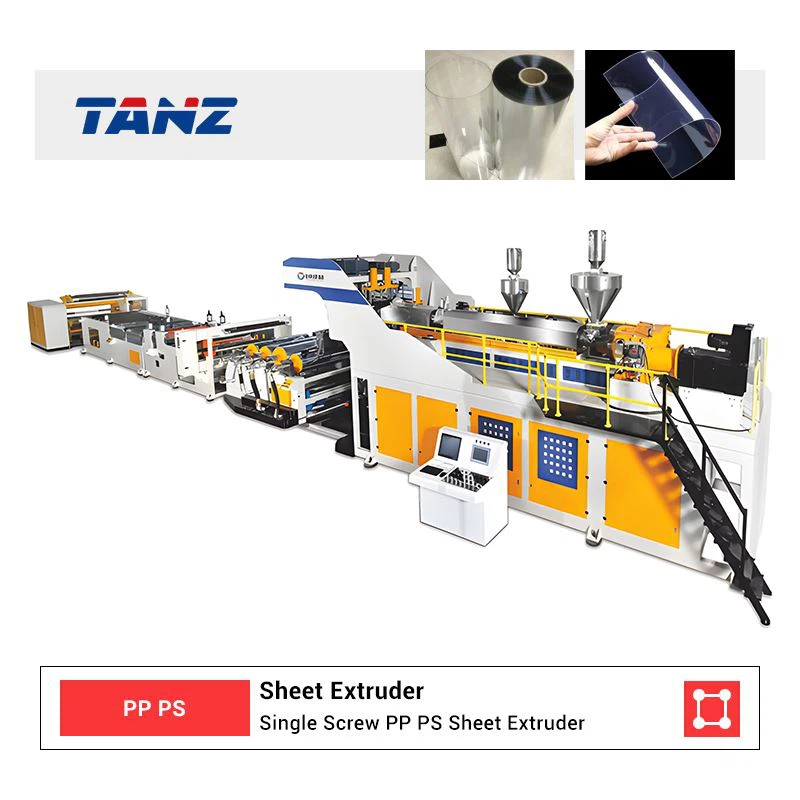

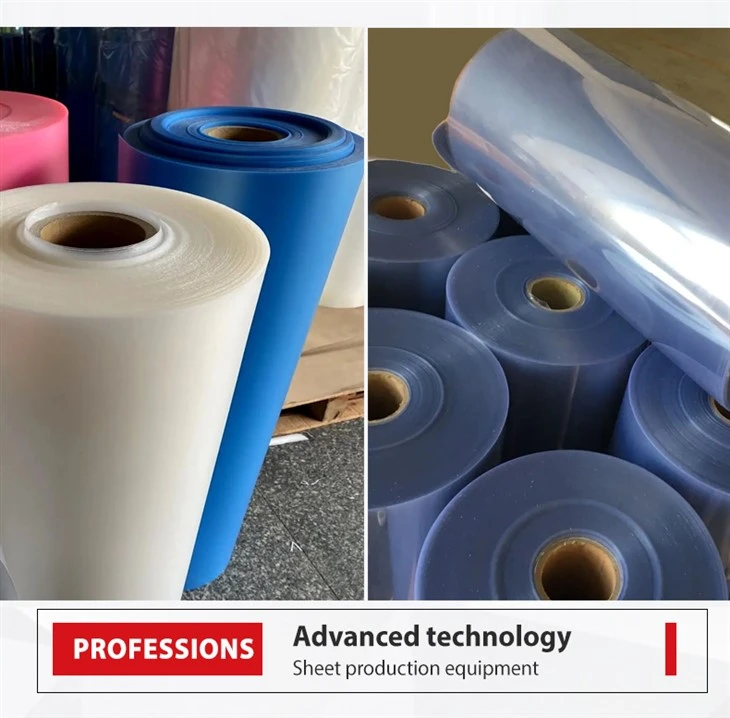
pp ps sheet extruder
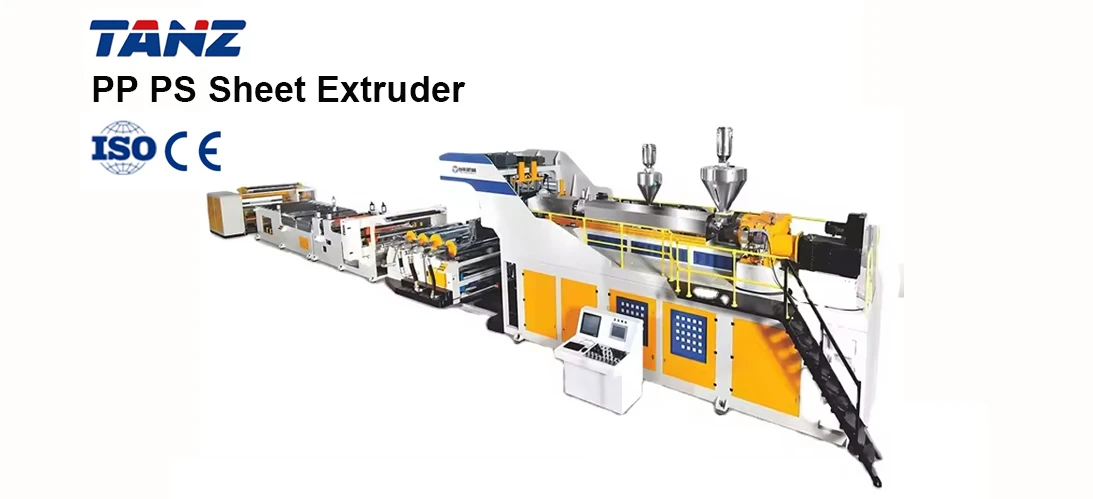

Your Professional PP PS Sheet Extruder Manufacturer in China!
Dongguan Taiwan Tai Zhang Machinery Co., Ltd. is located in Dongguan, the "World Factory". The company is committed to the research and development, manufacturing and sales of sheet and film extrusion equipment. We specialize in the production of sheet extruders, cast film extruders and other equipment. Our company strives for survival by quality, development by brand, and provides customers with high-quality and reliable products with an efficient and flexible production management model and a pragmatic attitude!
MACHINE ADVANTAGES
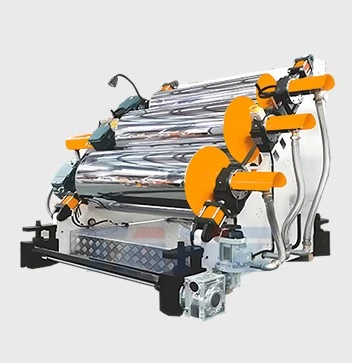
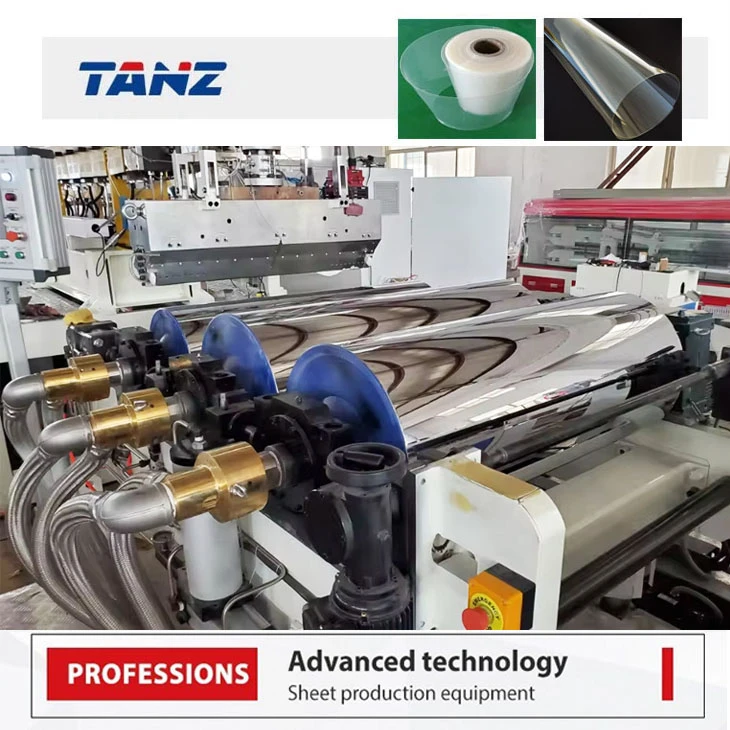
Three-Roller Calender
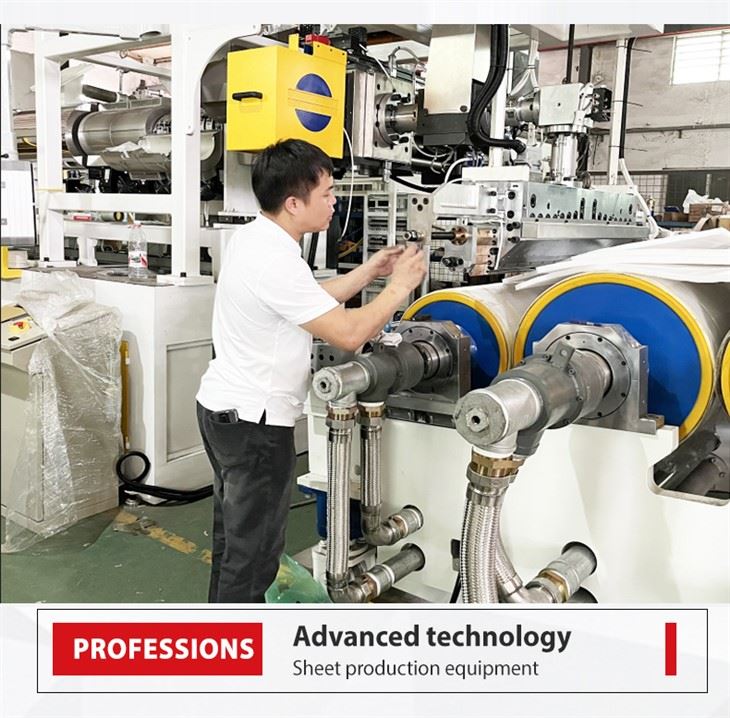
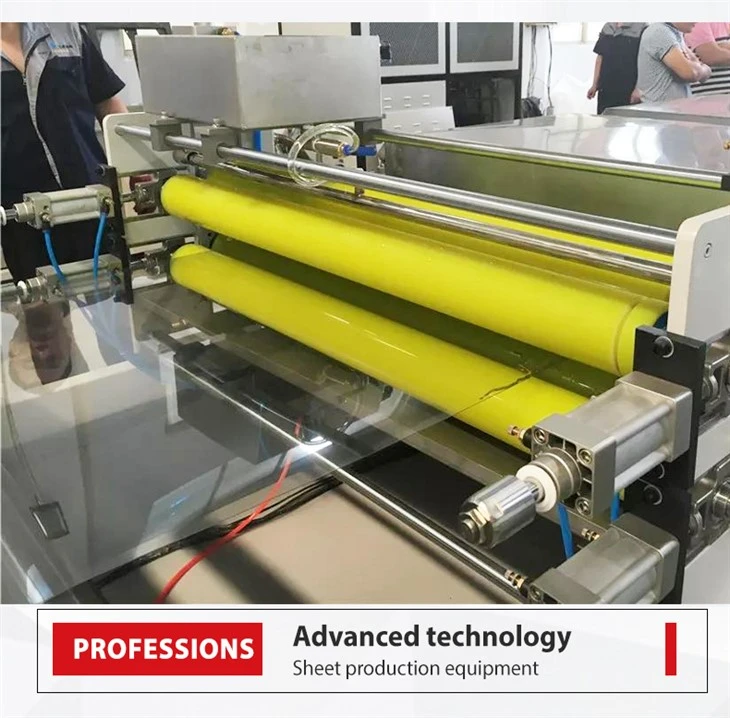
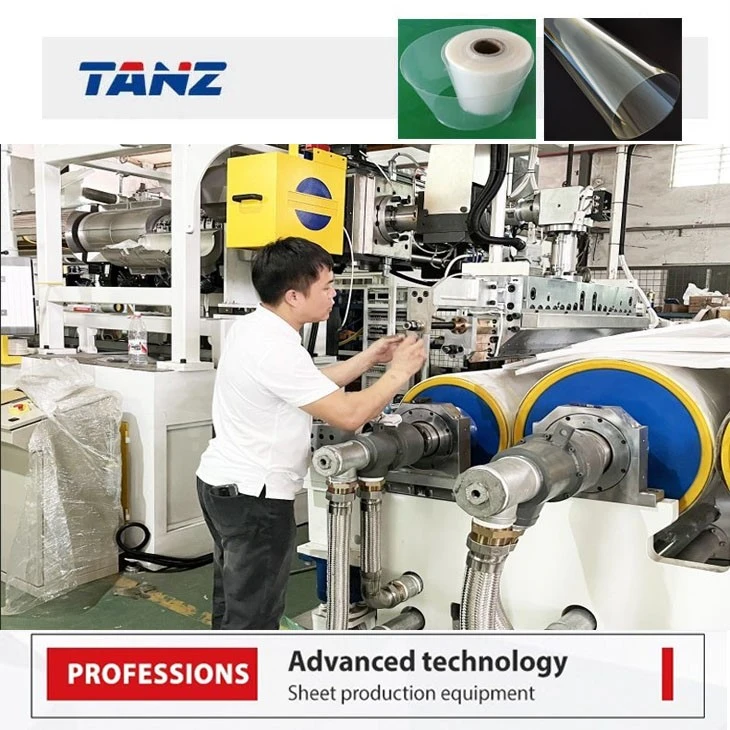
The three-roller light machine is a horizontal or vertical or 45 degree inclined design.The thickness of the sheet is automated adjustment system,The machanical roller has anti-collision protection function.The use of electronic hand wheel operations to implement the sheet specifications,which are transformed quickly and relaxed,and no tedious operations are required.The accuracy of slices is as high as 0.005mm.
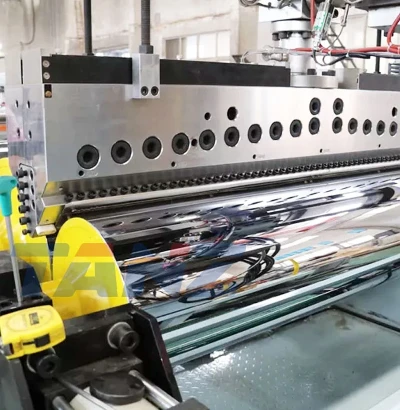
Mould
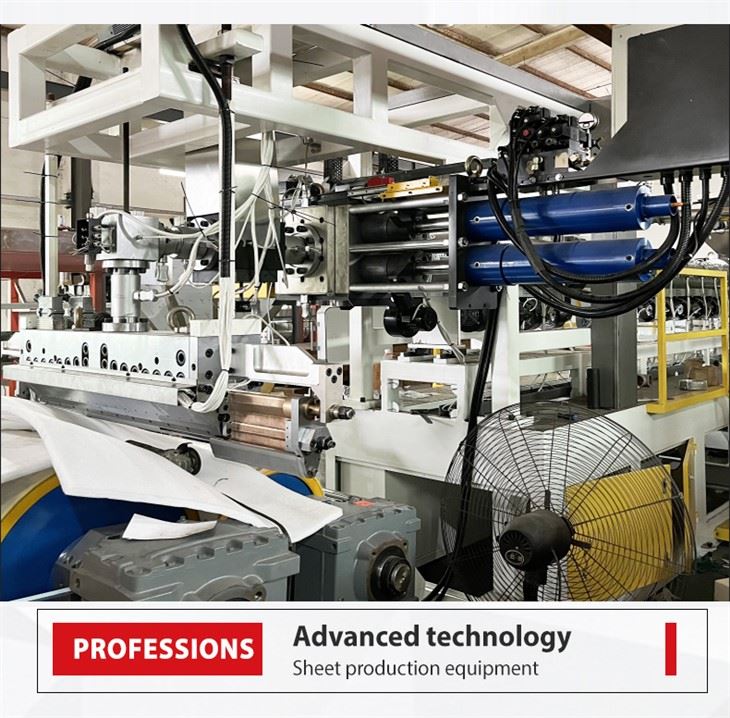
The mold is made of alloy steel, and the flow channel is chrome-plated and polished, allowing the mold width to be adjusted without stopping the machine.
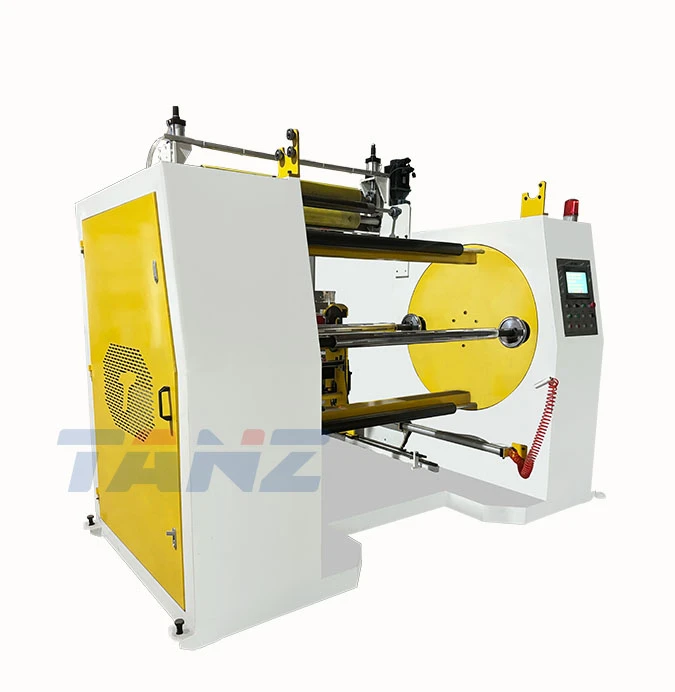
Duplex Sheet Winder
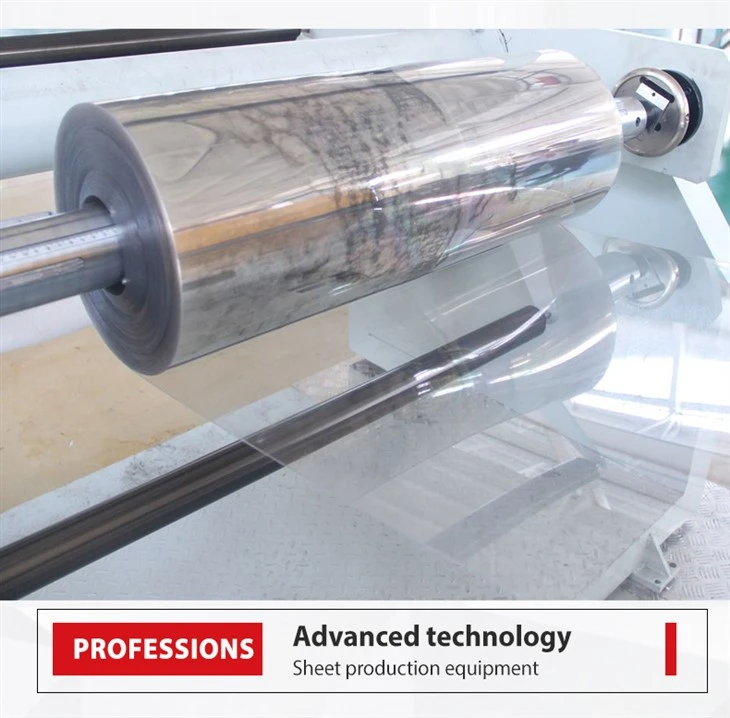
The dual station winding machine is equipped with automatic meter meter , You can also customize a larger volume weight , and the larger diameter can be collected by 1.15 meters . It also specially developed an automatic winding machine that can collect 2 rolls at the same time to achieve high production capacity.
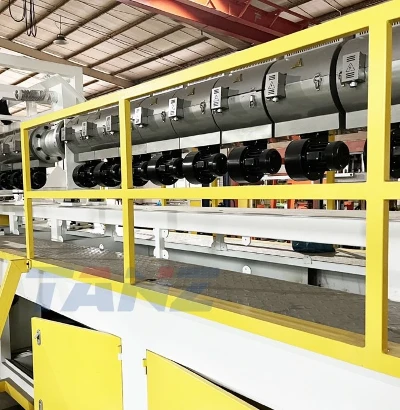
Extruders
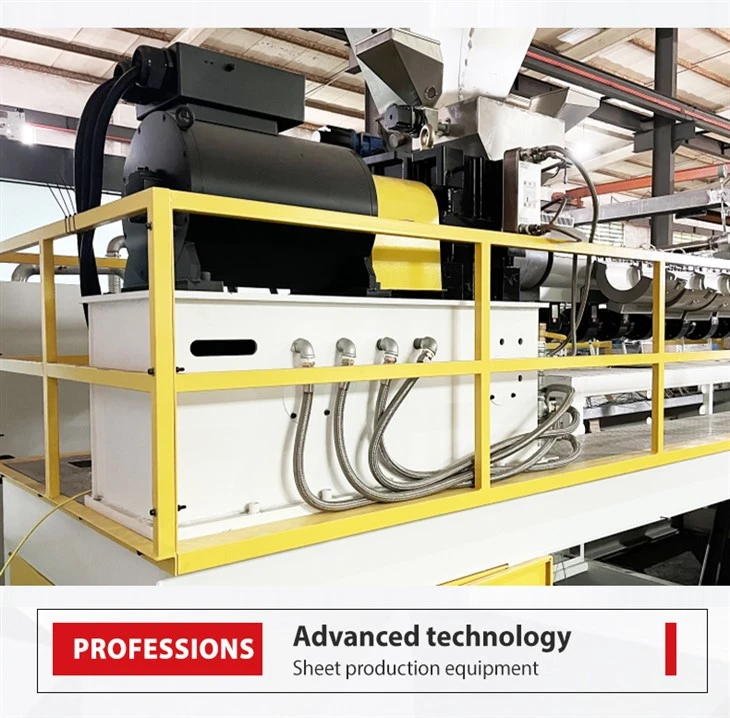
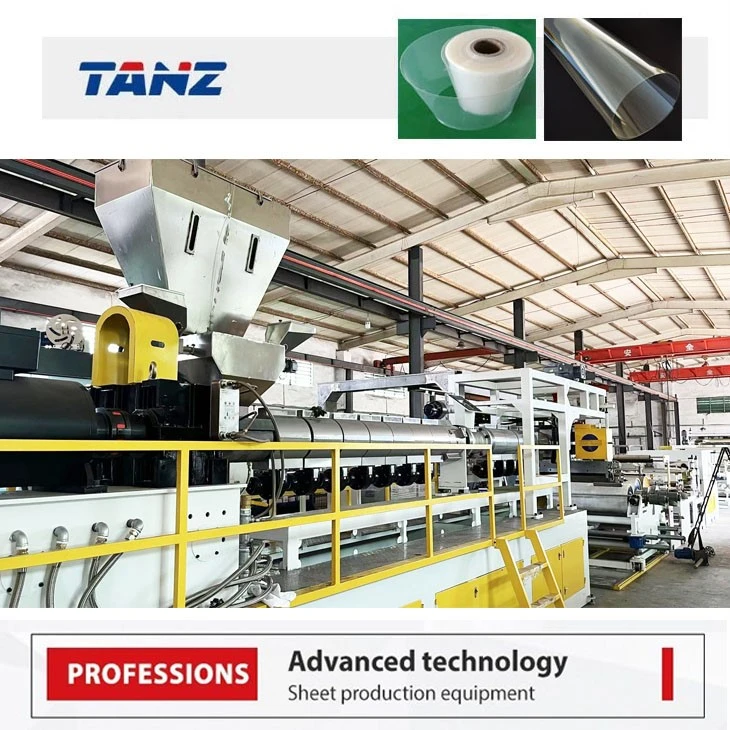
It is derived from Taiwan's technology design free dryin and exhaust type planet type screw,which has the advantages of mandatory feeding,high speed,high production capacity , and high quality . It is suitable for 80% return,maintaining the original toughness of the original film , and it can also be suitable for PP HIPS PLA.

OTHER HOT PRODUCTS

Single Screw PET Non Drying Exhaust Single Screw Extruder
Single screw PET non-drying exhaust single screw extruders are used extensively in the plastics industry for melting polymers, incorporating additives (for example fillers, coloring pigments, stabilizers) and delivering a homogenized melt at high pressure to a die prior to shaping processes.

PLA Biodegradable Sheet Extruder PET PP PS Plastic Extruder Machine
PLA Biodegradable Sheet Extruder is a specialized manufacturing system designed for the production of PLA plastic sheets. PLA is a biodegradable bio-plastic, commonly used as an environmentally friendly alternative to traditional petroleum-based plastics. The PLA sheet extrusion extruder involves various processes to convert PLA resin into sheets of different sizes and thicknesses.

PC PMMA sheet extruder is equipped 45° diagonal three-roller calendar, with high performance vented extruder, melt pump, die, screen change system, cooling rocket, haul-off unit, cutting unit etc. This kind of extruder is specially designed for producing PMMA and PC single-layer and multi-layer sheet with thickness of 0.6mm to 20 mm and width of 600mm to 2500mm. It can be to produce PS, PP and PE sheet also.
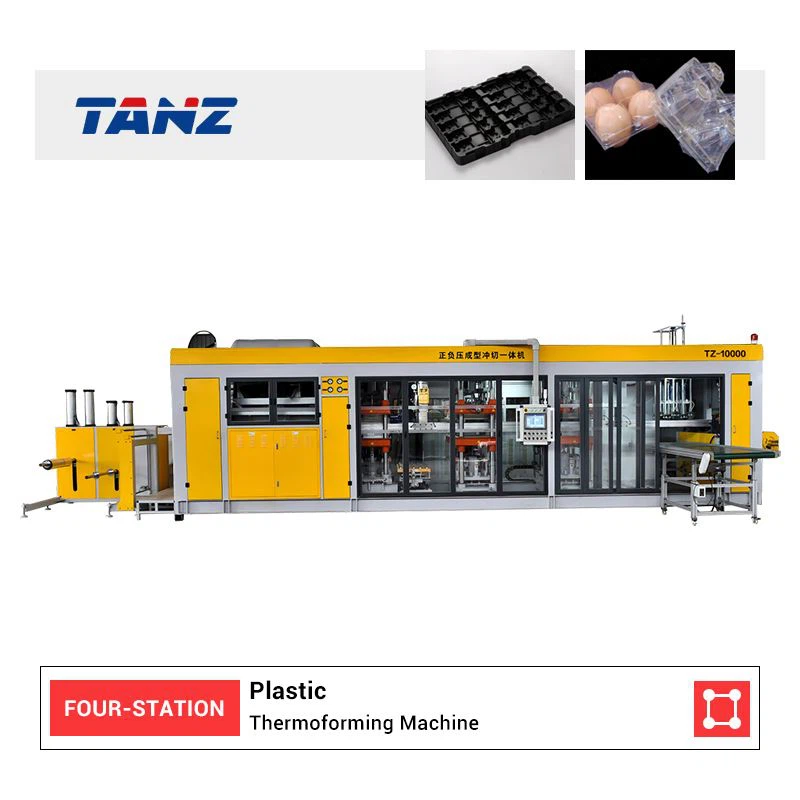
PET PP PS Plastic Blister Machine Four-Station Plastic Thermoforming Machine
The four-station plastic thermoforming machine is forming, cutting and stacking in one line. It is completely driven by servo motor, stable operation, low noise, high efficiency. Four-station plastic thermoforming machine mainly for the production of variety of plastic containers (egg tray, fruit container, food container, package containers, etc.) with thermoplastic sheets, such as PP, APET, PS, PVC, EPS, OPS, PEEK, PLA, etc.

Negative Pressure Forming Integrated Machine
Negative pressure forming integrated machines are capable of producing parts with intricate shapes and details, making them ideal for manufacturing products such as packaging materials, medical devices, and other components. They are also relatively inexpensive and can produce parts quickly, making them an efficient and cost-effective option for many manufacturing processes.

High Speed Vacuum Molding Machine
High speed vacuum molding machine is designed by the principle of mechanical-electrical-pneumatic integration. It adopts PLC control system, panel and digital power control. This full-automatic forming equipment for thermoforming plastic sheet includes feeding, heating, forming, cooling, mold ejecting, cutting by one process. The machine is suitable for making all size packing containers, in open-type with thin-wall, by using roll-sheet, under high-speed vacuum suction-forming processing.
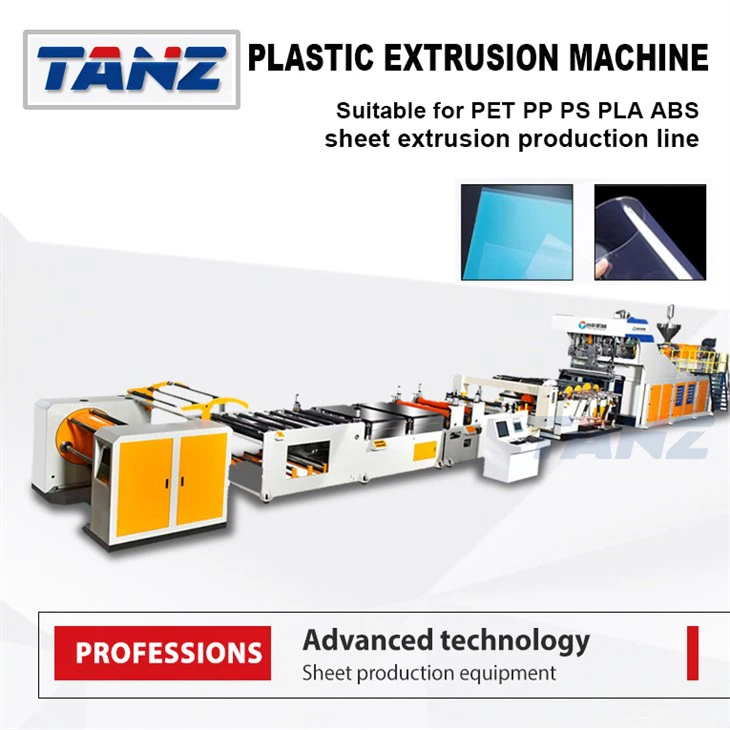
Single ScrewPlastic Sheet Extruder PET Sheet Extrusion Production Line
PET non drying exhaust single screw extruder PET and PLA plastic sheets have high transparency, good mechanical properties, and non-toxic and odorless environmental characteristics, especially for the easy recycling of PET in food packaging or other packaging fields.

Plastic Extrusion Machine Sheet Extruder Machine Biodegradable
The sheet extruder has the advantages of high flexibility, high production efficiency, stable product quality, and cost saving. It is mainly used for the production of plastic sheets. The extrusion die of this equipment adopts an internal plug-type die, which does not require downtime during production. You can adjust the width of the sheet.

Extruding Machine Single Screw PET Plastic Extrusion Machine
The plastic sheets produced by the PET non-drying exhaust single-screw extruder have high transparency and good toughness, and are especially suitable for easy recycling of PET in food packaging or other packaging fields. Sheet production and sheet machine manufacturing companies cooperate with each other and introduce them together, which also improves the overall development level of the plastic sheet industry.
Why Choose Us
Rich Products
We provide a wide range of products mainly including: PLA/ PET/ PP/ PE/ PS/ ABS/ APET, PETG, CPET sheet production lines, PC, PMMA optical sheet production lines, PVC/ PP/ PE/ PS/ PC/ ABS sheets Production lines, ABS, HIPS single-layer, multi-layer sheet production lines, plastic vacuum forming machines and plastic machinery.
High Quality Products
Our products will undergo several product inspections before being sent out to ensure product quality. And we have 100% quality assurance responsibility for our customers, and we will be responsible for any quality problems that arise.
Excellent Service
We have online customer service every day to answer your questions about the product, handling the customer complaint and solve problem for customers. Our customer service will also follow up on product usage.
Rich Experience
Our company has 15 years of industry experience, and our professionals have excellent knowledge and skills. We strive for excellence in product manufacturing and have a complete product production line.
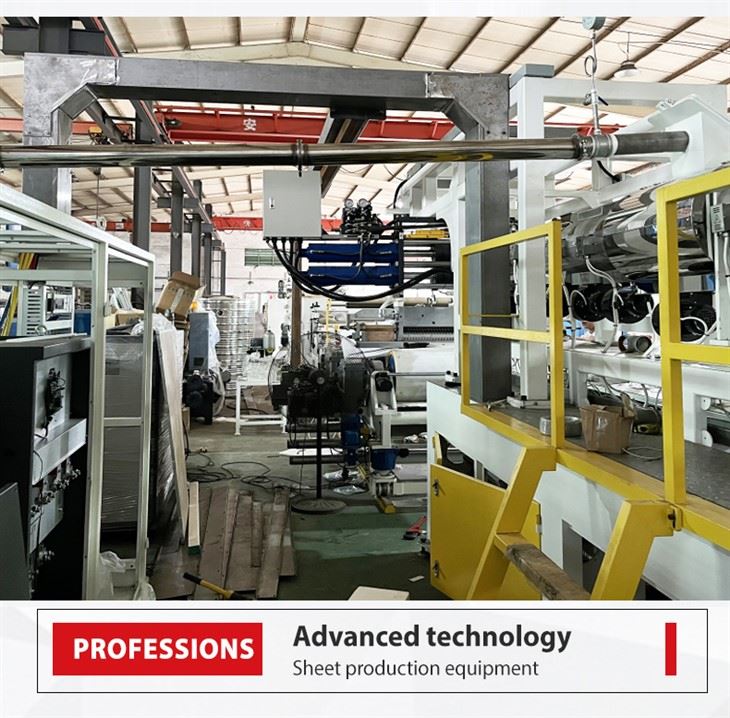
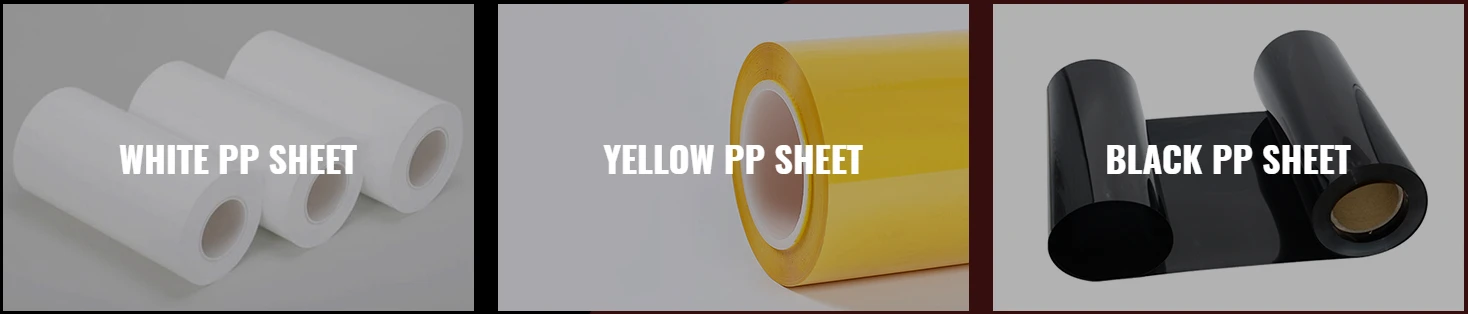
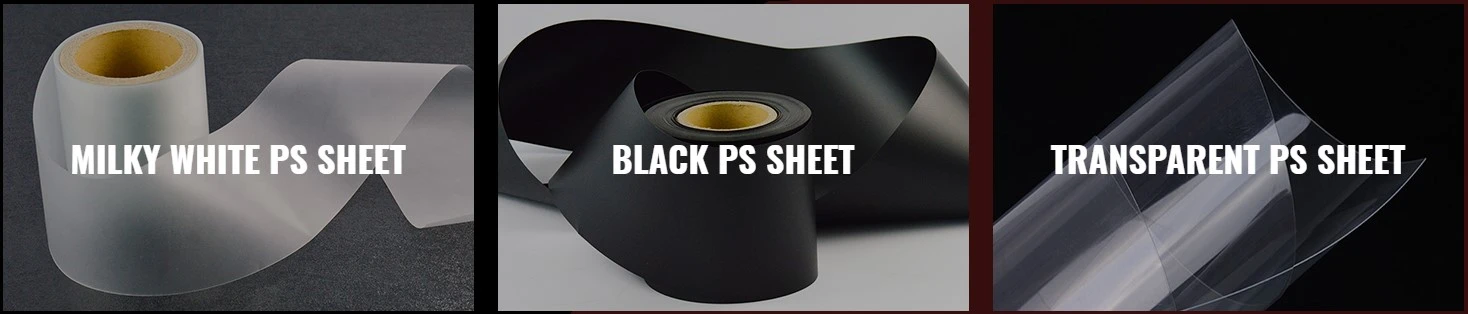
PP PS sheet extruder adopts the co-extrusion structure of multiple extruders, which can produce multiple lavers of PP and PS sheets to meet the needs of sheets for different purposes. Roller independent power direct transmission linear speed synchronous control. The whole machine adopts PLC control to realize the automation of parameter setting, feedback, alarm and other functions. PP PS sheet extruder energy saving than the ordinary single-screw extruder. And PP PS sheet extruder used PLC control system to achieve parameter setting, data computing and back, alarm and other functions of automatic control.
A Guide to PP PS Sheet Extruder
The Screw and Barrel
An extruder screw is a long steel shaft with increasing root diameter and helical flights of constant pitch wrapped around it. A polyethylene and polypropylene screw extruder has typically a 3:1 compression ratio and a minimum 24:1 length-over diameter (L/D). Such a screw may be a single-stage or two-stage screw, depending on the desired production output and mixing requirements. The extruder barrel is a hollow cylinder that houses the screw. The clearance between the screw flights and the inside wall of the barrel is small, 0.005 inch, but constant throughout the length of the barrel. The barrel has an opening immediately above the first flight of the screw in the feed zone that serves as the inlet to free-flowing pellets from a hopper above.
The Compression Ratio
The volume of the first flight in the feed section to the last flight in the metering section is known as the compression ratio (CR). A typical polyethylene screw has a compression ratio of 3:1. A higher CR causes excess shearing and resin degradation. A lower CR provides inadequate shear and poor intermixing of the molten polymer.
The Length/Diameter Ratio
Simply known as L/D, this ratio is desired at 24:1 or greater. This means the screw length is 24 times the diameter of the screw. These dimensions ensure adequate residence time for the polymer to melt and mix. The extruder screw is designed with three main zones or sections: feed, compression and metering sections.
The Feed Zone
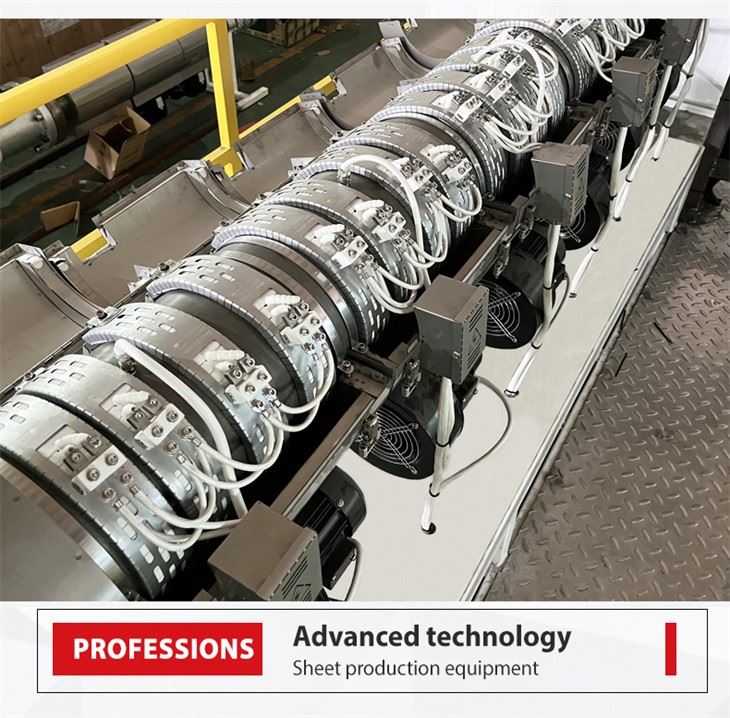
The feed zone of the screw has a constant pitch and channel depth. The feed zone heats and softens the plastic pellets by conduction from the heaters, which are placed around the barrel and, to a lesser degree, from friction. The feed zone has the deepest channels of the screw sections. The feed zone is often operated at a temperature cooler than the rest of the extruder by circulating water inside the screw shaft to maximize the difference between its temperature and that of the barrel. The temperature gradient between the barrel and screw surfaces allows the polymer to stick to the barrel surface, slip on the screw surface and maximize its forward progress as the screw rotates. Should the screw surface temperature approach that of the barrel, then the melt sticks to the screw and rides around the screw shaft and becomes stationary. This condition is known as "bridging" and results in a low output and ultimately loss of output. Sometimes grooves in the barrel help increase the feeding rate.
The Compression Zone
The compression zone, also known as the transition zone, has a cone-shaped root and a reduced channel depth. This section compresses the soft pellets into a melt and squeezes out entrapped air. As the melt undergoes compression, additional heat is generated from the high friction between the polymer on one side and the flight and barrel surfaces on the other. This heat is known as frictional heat and is combined with external heat from electrical heaters. The compression zone is commonly about 50 percent of the screw length. The compression zone may be either tapered or step design.
The Metering Zone
The metering zone of the screw begins at the end of the compression section and ends at the screw tip. The metering zone has a constant cross-section and smaller channel depth than either the feed and compression sections. Because of these dimensions, the polymer in the metering zone is subjected to intensive shear and mixing, which are essential steps to homogenize the polymer physically and thermally. The temperature gradient within the polymer can vary between 10°F and 50°F from the surface of the screw to the surface of the barrel. A uniform polymer temperature is critical to avoid delaminating, warping and other imperfections in the finished product.
4 Tips for Easier PP PS Sheet Extruder Start-Ups



Use Purging Compound
The use of purging compounds must be preventive, avoiding the degradation of the resin and its additives or pigments. Use purging compounds that can be loaded in the barrels, molds, dies, and generally in the system. Thus, we will avoid oxygen entry that promotes degradation, leaving a thermally stable material that can withstand the residual heat while the machine cools down or heats up.
Leave Resistors Off
As a general rule, no machine should be left on. Degradation can be so great that it may force the disassembly of the screw or, worse, it can reach the ignition point of the plastic and cause flames. If sometimes it's left at a very low temperature, consider that this will eventually cause the formation of layers that will come off in the form of black spots. The ideal is to leave the system off, so the "time savings" you believe to have to reach operating temperature is regularly lost when you have to spend hours cleaning the machines manually or sorting out the contaminated parts. Turn off the resistors, because in some cases the purging compound will have a contraction that can help in the removal of some contaminants that were forming.
Purge the Barrel and Mold
The first thing to do at the end of the production of the last part before moving on to another batch or stopping a machine is to purge the barrel and mold. If the machine was produced with quality, and we purged it immediately and correctly, there was no reason for it to get dirty, and it can start with any urgency.
Turn on The Machine
On the start-up day, turn on the machines in an orderly manner, starting with those that have the most urgent production and secondly with those that will work at a lower temperature. Machines that have very high operating temperatures will have to raise their temperature. Keeping a machine on for hours above 230°C without producing will promote the formation of scabs and black spots.
What Should be Considered When Choose PP PS Sheet Extruder
Production Capacity
The first factor to consider when selecting a PC PP sheet extruder is production capacity. The capacity of an extruder depends on the output rate, i.e. the amount of material that can be extruded per unit time. It is critical that you choose an extruder that can meet your company's production needs. To determine the required capacity, you need to consider factors such as market demand, product specifications and production schedules. Higher capacity comes with a higher price tag, so it's important to balance production needs with costs. You also need to evaluate the output of your extrusion line against your production needs. The output rate of an extrusion line can be affected by a variety of factors, such as material type, sheet thickness, and product complexity.
Material Compatibility
The second factor to consider is material compatibility. PC PP hollow panels can be made from a variety of materials, including polycarbonate, polypropylene and other thermoplastic resins. Choosing the right material for your extruder is critical. The material should be compatible with the extrude components, including the screw, barrel and die. Incompatibilities between materials and components can lead to poor product quality, equipment damage and reduced productivity. You should also consider material properties such as melting point, viscosity and flow rate. These properties affect the extrusion process and the quality of the final product.
Equipment Characteristics
The third factor to consider is the equipment characteristics. The characteristics and features of the extruder can affect the efficiency, productivity and quality of the final product. One of the essential characteristics to consider is speed. The speed of the extruder determines the output rate and production capacity. Higher speed means higher productivity, but it also requires more energy and can lead to lower product quality. Another key feature is accuracy. The extruder should be able to maintain consistent product size and quality. Inconsistent product dimensions can lead to rejected products and increased waste. Ease of use is another essential feature to consider. The extruder should be easy to operate, maintain and clean. Complex and challenging operating equipment can lead to reduced productivity, increased downtime and higher maintenance costs.
Maintenance and Support
The fourth factor to consider is maintenance and support. An extruder is a complex machine that requires regular maintenance and repair to ensure optimal performance and longevity. You should evaluate the level of maintenance required for your extruder and the availability of technical support and spare parts. Regular maintenance helps prevent downtime and reduces maintenance costs. Technical support and spare parts availability can help minimize downtime in the event of equipment failure.
Cost
The fifth factor to consider is cost. The cost of an extruder can vary depending on characteristics, capabilities and capacity. It is important to balance the cost of the extruder with its features and capabilities. You should also consider long-term costs, such as maintenance and repairs. A cheaper extruder may result in higher maintenance and repair costs, thus reducing its overall cost-effectiveness.
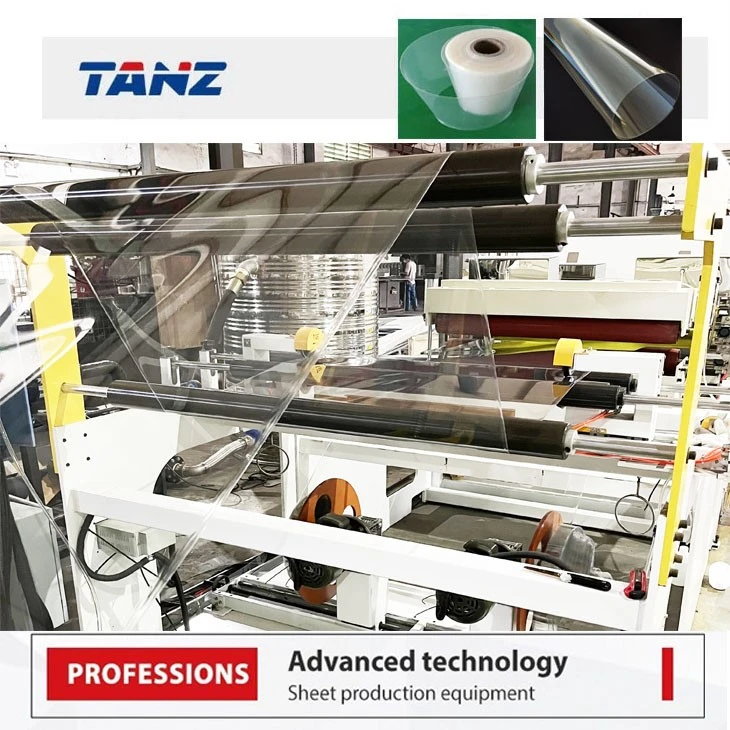
Production details
Taiwan technology leads high-quality products (sheet extruder/plastic vacuum forming machine/plastic crusher solution provider)
Ultimate FAQ Guide to PP PS Sheet Extruder
Hot Tags: pp ps sheet extruder, China pp ps sheet extruder manufacturers, suppliers, factory, Negative Pressure Forming Integrated Machine, Cup making Blister Online Crusher, Single Screw PET Non Drying Exhaust Single Screw Extruder, Four Station Plastic Thermoforming Machine, Plastic Vacuum Forming Machine, PLA Biodegradable Sheet Extruder
You Might Also Like


Send Inquiry